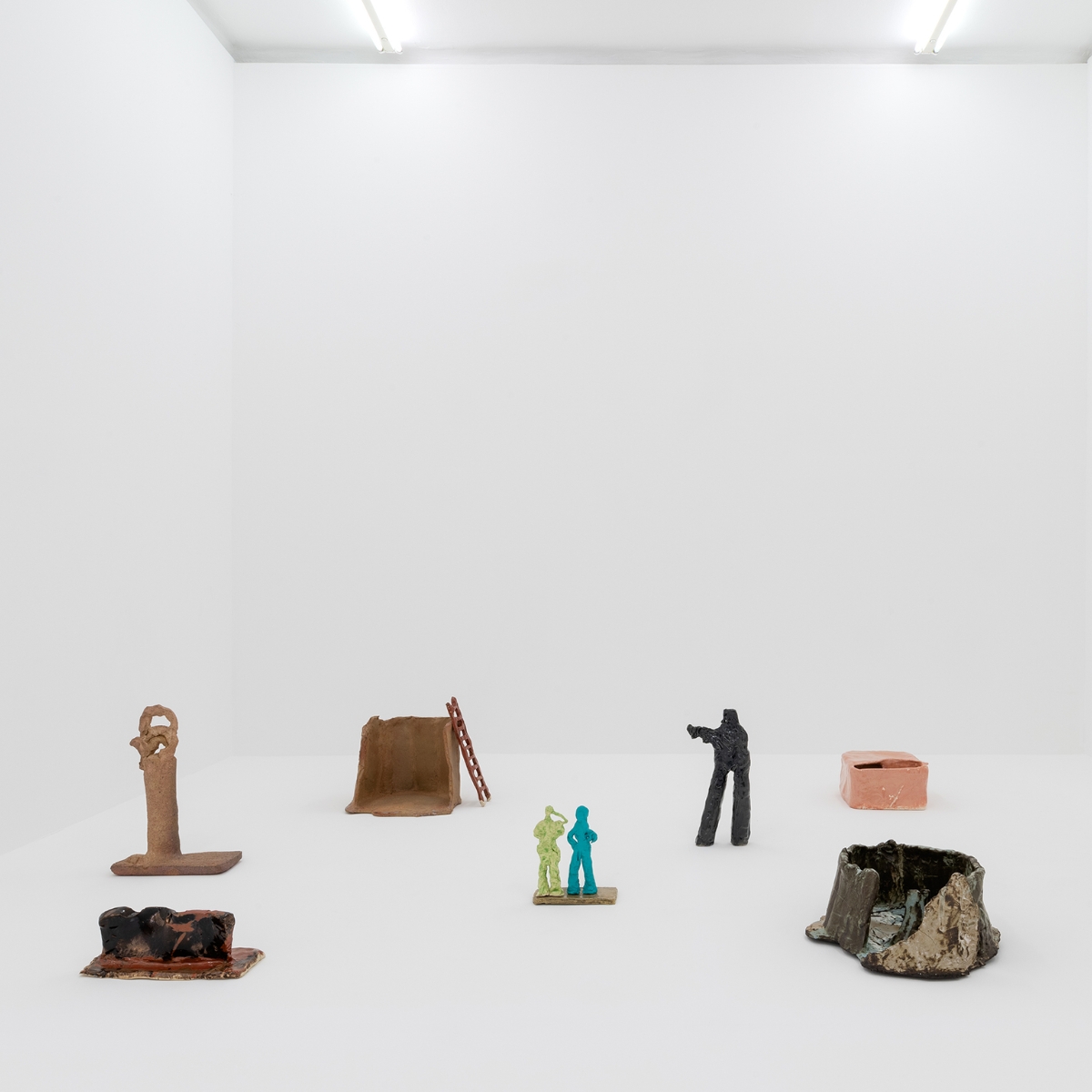
You enter Simone Fattal's exhibition without quite knowing what to expect. At first glance, the silhouettes appear raw, almost rudimentary, clay shaped with a feigned clumsiness that initially unsettles. You might almost think you were looking at models straight out of a child's bedroom: small clay figures, unsteady horses, squat and fragile forms. There is something immediate in the gesture, a touching naivety that stubbornly refuses the pretense of technical virtuosity. You could almost see nothing more than a schoolchild's game, a spontaneous exercise stripped of all artifice. And yet, the moment your gaze lingers, a strange magic begins to take hold.
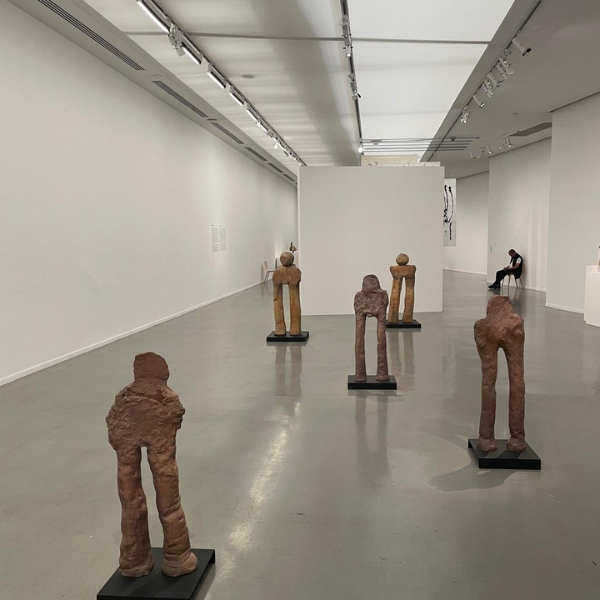
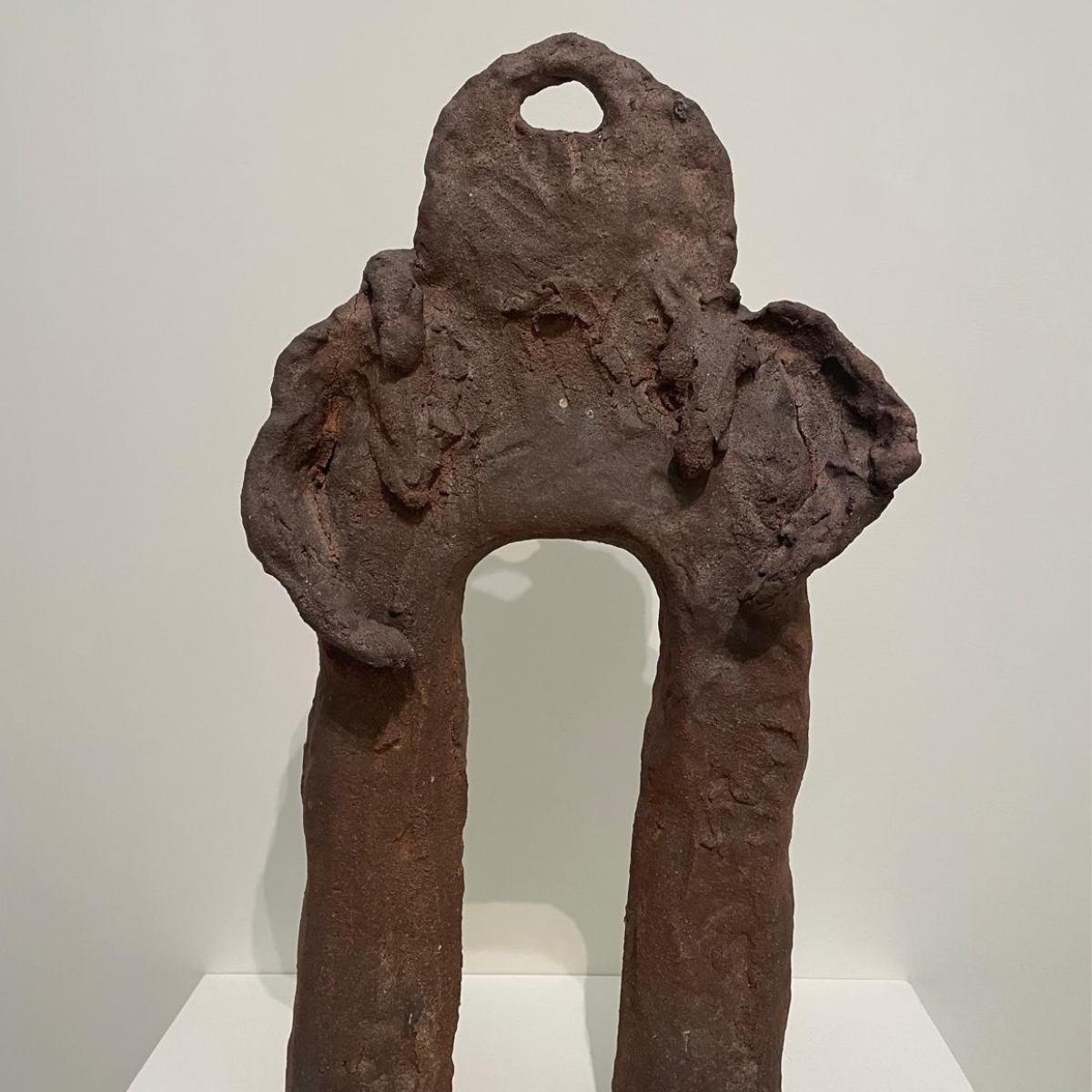
It is in the roughness of the material itself that everything happens: the fired stoneware, the glazes that run in places, the cracks and accidents of the kiln tell a fascinating mineral story. Each piece carries the living imprint of the hands that kneaded the clay, breathing into it an earthly presence and a muted density that roots us to the ground. Then, without warning, an immense poetry rises from this silent earth, a quiet poetry that never seeks to seduce or overreach. Beneath their candid appearance, these small forms carry the weight of ancient myths, summoning Gilgamesh, inglorious warriors and vanished cities of antiquity.
They are fragile specters, passing souls traversing the centuries, defying balance with the stubborn innocence of the earliest ages. Childhood and archaeology meet here in a single surge of pure freedom, where one feels the urgency to bring the figure into being before it returns to dust. Everything breathes with a devastating vulnerability, the standing bodies oscillating between the grace of a naive game and the gravity of forgotten gods.
You move among these small presences as if through a waking dream, surrounded by an almost sacred silence. This striking contrast between the deceptively rough surface and the depth of the inner breath touches something deep, revealing a visceral, earthly and infinitely human body of work whose light stays with you long after you leave.